



“Perfect service and communication! Exceeded expectations in every way. Highly recommend!!”
— Client Review

A cohabitation investigation for alimony is a professional inquiry that gathers documented, admissible evidence showing whether an alimony recipient is living in a supportive relationship, which under Florida law can justify reducing or ending payments. Since Florida's 2023 alimony reform, this type of investigation has become one of the most requested services in family-law support work, because the statute now gives paying spouses a clear legal path when a former partner has effectively re-partnered.
At NBI, we approach these cases the way we approach all sensitive matters: methodically, legally, and with an eye toward evidence that will hold up in front of a judge. Suspicion is not proof, and family courts require far more than a hunch.
In 2023, Florida enacted Senate Bill 1416, which took effect on July 1, 2023 and reshaped how alimony works in the state (Florida Senate, 2023). The law eliminated permanent alimony and clarified the rules around what it calls a supportive relationship under Florida Statute 61.14.
Under the amended statute, a court may reduce or terminate support when it finds that the recipient is in a supportive relationship, or has been in one, with a person they are not related to by marriage or blood. Judges weigh factors such as whether the couple lives together, shares expenses, pools assets, or presents themselves publicly as a couple. Crucially, the law shifts and defines the burdens of proof, which makes the quality of the underlying evidence more important than ever.
The trend behind these cases is not going away. Roughly one in ten unmarried adults now lives with a partner, and cohabitation has risen steadily over the past two decades (U.S. Census Bureau, 2018). Many recipients understand that formalizing a relationship through marriage would end their alimony, so they cohabit instead without remarrying.
Proving a supportive relationship is harder than it sounds. A former spouse may keep a separate mailing address, avoid joint bank accounts, or spend only some nights at a shared home. Establishing a genuine pattern requires patient, lawful observation over time. In our decades of investigative work, we have seen do-it-yourself attempts collapse in court because they were sporadic, poorly documented, or gathered in ways that raised legal and privacy problems. Understanding how surveillance builds a documented record is what separates a usable case from an expensive dead end.
A professional investigation focuses on the specific indicators a Florida court considers. Documented findings may include:
1. Consistent overnight patterns at a shared residence over a defined period
2. Shared vehicles, parking, and daily routines that indicate a common household
3. Public conduct consistent with a committed relationship
4. Evidence of shared expenses, joint errands, or co-mingled responsibilities
5. Publicly available records that corroborate a common address or shared obligations
Everything must be obtained through lawful means. Legitimate investigators rely on observation from public vantage points and lawfully accessible records, and they respect the boundaries set by federal statutes such as the Fair Credit Reporting Act and Gramm-Leach-Bliley when handling personal data. Evidence gathered improperly can be excluded, and it can expose the client to liability.
The most effective cohabitation cases are a partnership between the investigator and the client's attorney. Counsel defines exactly what must be proven under Statute 61.14, and the investigator gathers evidence tailored to those elements. NBI provides organized reports, timestamped documentation, and testimony-ready findings that fit into a modification petition. Coordinating how findings support a legal strategy from the outset ensures the investigation produces exactly what the court needs, rather than a pile of raw material a lawyer must untangle later.
Discretion matters throughout. These are personal, high-emotion matters, and a professional firm conducts them quietly and lawfully to protect the client's position.
Can I stop paying alimony on my own if I think my ex is living with someone? No. In Florida you must petition the court to modify or terminate alimony, and you carry the burden of proving a supportive relationship under Statute 61.14. Stopping payments unilaterally can put you in contempt. Professional evidence supports a proper petition and protects you legally.
How long does a cohabitation investigation take? It depends on the couple's routine and how carefully they conceal the relationship. Establishing a reliable pattern usually requires observation across multiple days or weeks rather than a single outing. Your attorney and investigator will scope the effort to what the court will find persuasive.
Is the evidence gathered admissible in a Florida court? When collected lawfully by a licensed investigator, surveillance documentation, timestamped observations, and public records are generally admissible. This is precisely why professional methods matter, because improperly obtained evidence can be thrown out. NBI documents findings so they can withstand scrutiny.
What is the difference between cohabitation and a supportive relationship? Cohabitation describes two people living together, while a supportive relationship is the broader legal concept Florida courts evaluate. A supportive relationship can exist even when a couple maintains separate addresses, if the totality of their conduct shows mutual support and a shared life. The investigation targets that full picture, not just a single address.
Will my ex know they are being investigated? A properly conducted investigation is discreet and lawful, and it is designed to document behavior without interfering with it. Reputable investigators do not harass, trespass, or use deceptive tactics that could compromise the case. The goal is a clean, defensible record.
If you believe a former spouse has entered a supportive relationship, the strength of your case depends on the quality of your evidence. NBI conducts discreet, lawful cohabitation investigations built to meet Florida's legal standard. To discuss your situation confidentially, contact our investigative team.
About the author
Michael D. Julian brings more than 30 years of investigations experience to National Business Investigations. He served as President of the California Association of Licensed Investigators (CALI) from 2005 to 2015 and has directed complex investigative matters supporting attorneys, businesses, and families. Connect with Michael on LinkedIn.
Focused investigative support for complex, high-stakes matters.
Witness locates, interviews, evidence recovery, financial records investigations, cyber crimes, and asset search & recovery.
Explore Legal Investigations >>Validate claims, identify red flags, document activity, and support defensible decisions in potential fraud matters.
Explore Insurance Investigations >>Executive background investigations, due diligence, business intelligence, theft, computer forensics, and protection support.
Explore Corporate Services >>Gather the investigative information needed to evaluate legitimacy and disability level with clarity and confidence.
Explore Workers Comp Support >>Pre-litigation, mid-case, or post-judgment—identify where assets may reside to support appropriate strategy and settlement.
Explore Asset Discovery >>Obtain evidence that may not otherwise be provable in or out of court—especially when other methods fall short.
Explore Surveillance >>Having been in business for decades, we know there are many investigation companies you can call on. One does not thrive for over fifty years in this industry without a foundation of honesty, integrity, and professionalism.
We can never promise results—but we always guarantee our performance. If you are not happy with our performance, you only pay what you believe our investigation is worth.
Contact us to get started and find out why clients choose NBI for high-accountability investigative support.
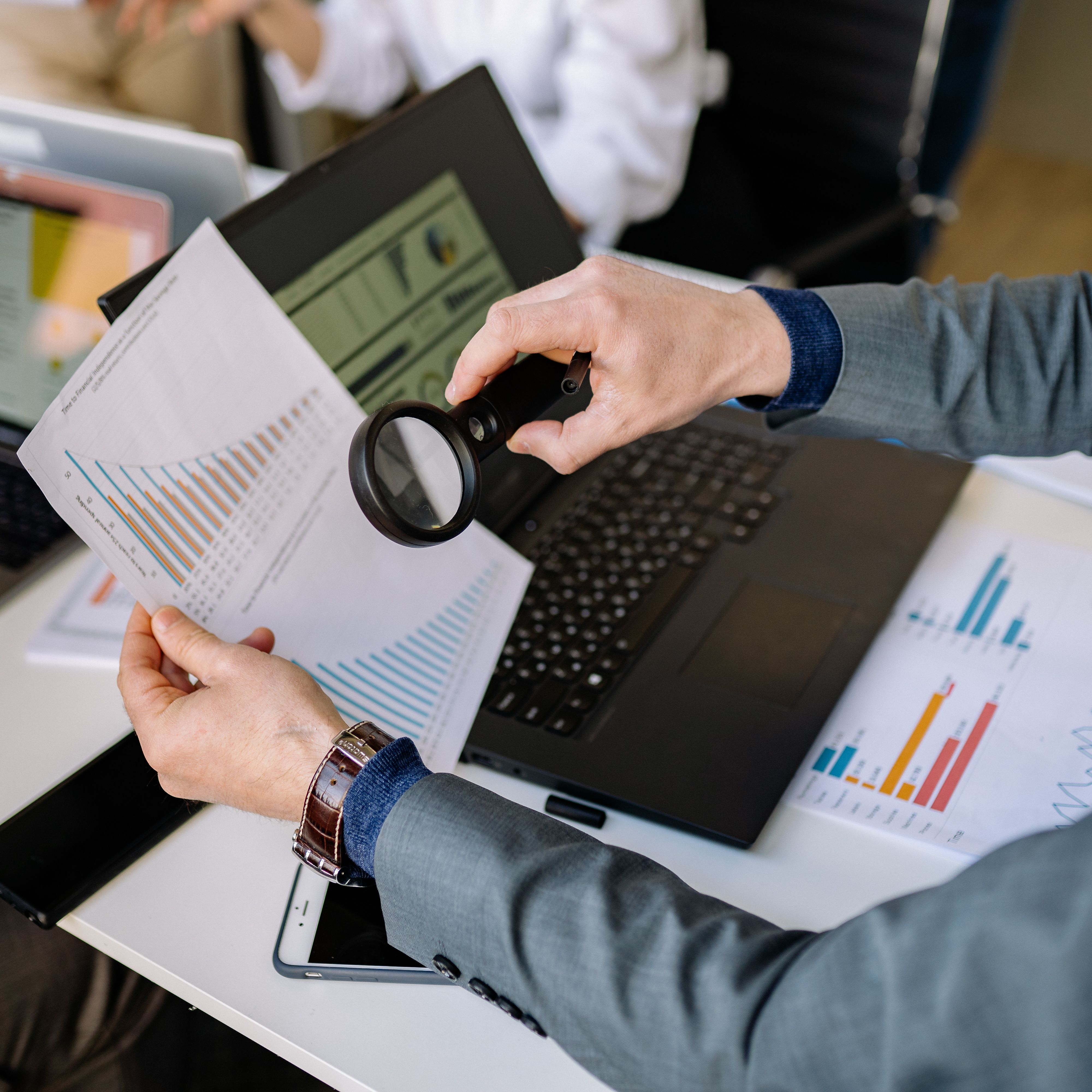
California is a two-party consent state. Learn what California surveillance and recording laws mean for private investigations, evidence, and admissib…
By: Michael D. Julian
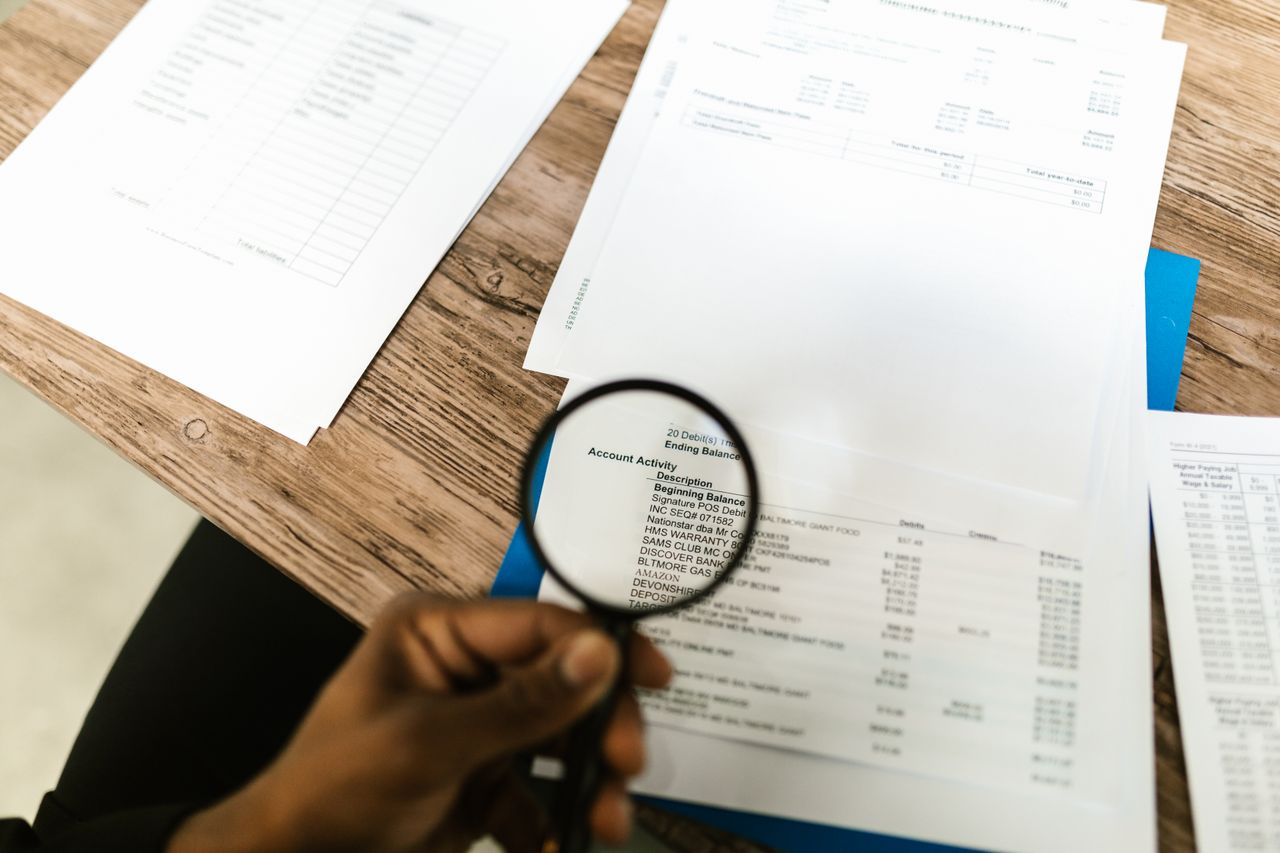
California licenses private investigators through BSIS, and the license number is only the first thing to check. Here is how to verify a firm, what a …
By: Michael D. Julian
California wage-and-hour and PAGA claims are decided on records and witnesses. Here is what a licensed investigator contributes to the defense file, f…
By: Michael D. Julian
A California money judgment is enforceable for ten years, but only if you can find something to collect. Here is how post-judgment asset investigation…
By: Michael D. Julian